What phishing messages try to make you do
Phishing is a type of scam in which someone sends a message that appears to come from a person or organization you trust. The sender may pretend to be a delivery company, bank, public service, colleague, or friend. Their goal is usually to get you to reveal information, open a link or attachment, approve a sign-in request, or send money.
These messages can arrive by email or text. Some look polished, while others contain obvious mistakes. A convincing logo or familiar name is not proof that a message is genuine: senders can imitate branding and display names. Rather than judging a message by its appearance alone, pay attention to what it asks you to do and how it wants you to do it.
Notice pressure, surprises, and unusual requests
A phishing message often creates a reason to act immediately. It may claim that an account will be closed, a parcel cannot be delivered, a payment has failed, or a prize is waiting. Urgency is not proof of a scam, but it is a good reason to pause. Scammers benefit when you act before checking.
Be especially cautious if a message asks for a password, one-time sign-in code, payment card details, or other sensitive information. The same applies to requests to move a conversation to a different app, buy gift cards, or change payment details unexpectedly. If a request seems to come from someone you know but does not fit their usual way of working, check with them separately. A real issue can usually be verified without following the instructions in the message.
Poor spelling, awkward wording, and unfamiliar greetings can be clues, but their absence does not make a message safe. A short text that simply says “Is this you?” beside a link can be just as risky as a long, formal email.
Check the destination without using the message
Look carefully at the full sender address or phone number when it is available. An address that merely resembles an organization’s name may not belong to it. Even an apparently familiar sender is not a guarantee, because accounts can be compromised and sender details can be imitated. In an email, a link’s visible label may also differ from its destination. Avoid opening a link just to find out whether it is safe.
If the message concerns an account or service you use, open its app or type the address you already know into your browser. You can also find a contact number on a statement, card, or other document you already trust. Do not rely on a phone number supplied in the suspicious message. For a request from a colleague, friend, or community group, contact the person through a channel you have used before and ask whether they sent it.
Be careful with attachments too, particularly unexpected invoices, forms, or shared documents. If you were not expecting a file, confirm it with the supposed sender before opening it. These checks may take a minute, but they keep the suspicious message from being your only source of information.
What to do with a suspicious message
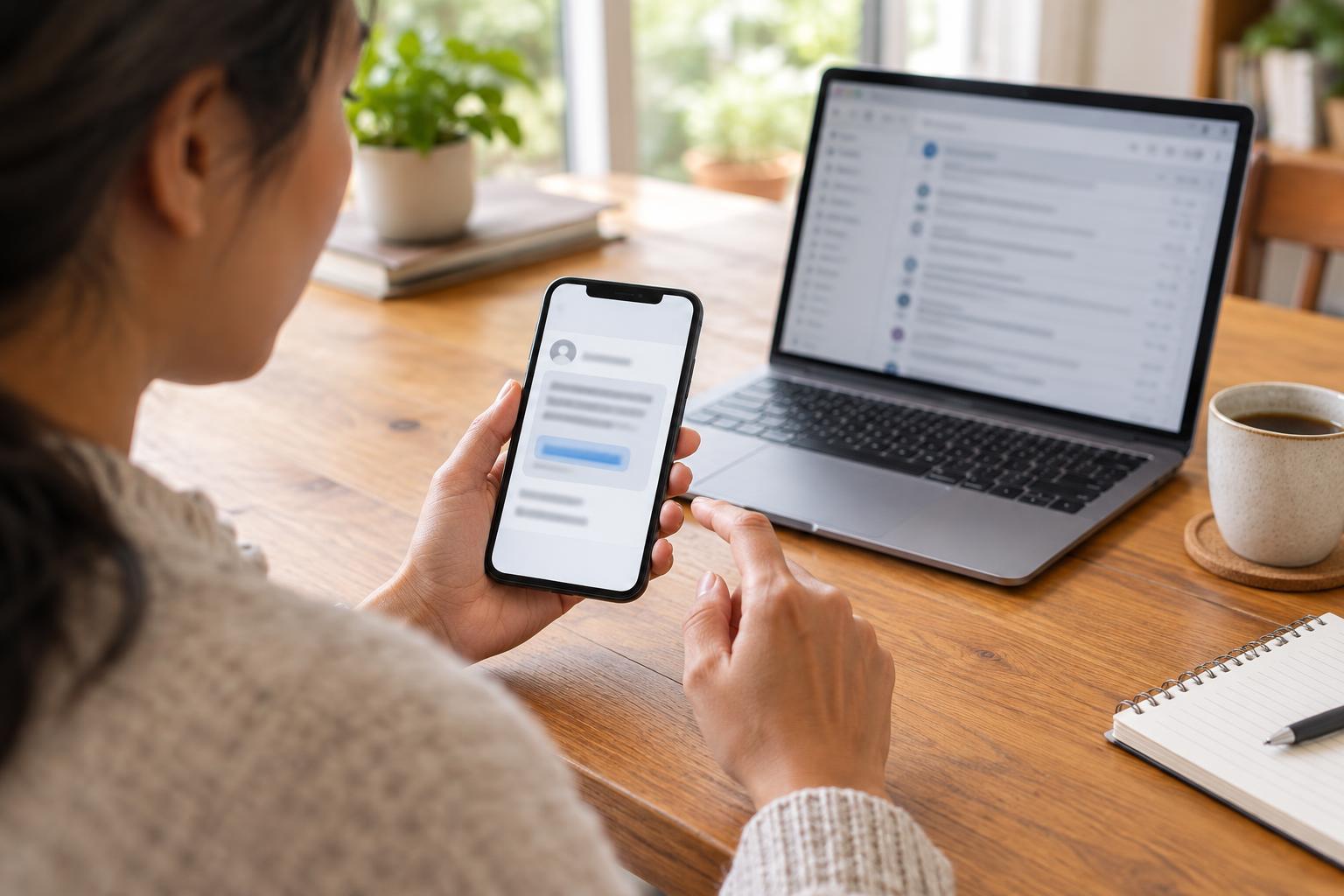
If you have not interacted with it, do not reply, click, download, or call the number it provides. Use your email or messaging app’s report-spam or report-phishing option if one is available, then delete or block the message as appropriate. If it appears to impersonate a service or someone in your workplace or community, you can warn them using contact details you already know.
If you clicked a link but did not enter information, close the page and avoid further interaction. If you entered a password, go directly to the genuine service and change it there. Change that password anywhere else you reused it, and review account activity and sign-in settings. If you shared a one-time code, payment details, or other sensitive information, contact the relevant service through its official app or a trusted contact number promptly. Explain what happened so it can tell you which account-specific steps are available.
It is easy to click while distracted. Responding quickly and carefully matters more than feeling embarrassed. When in doubt, stop using the message and verify the request another way.